Is Are Commonly Used to Describe Siliclastic Sediments Rocks
Limestone is usually a biological sedimentary rock forming from the accumulation of shell coral algal fecal and other organic debris. Answer 1 of 3.
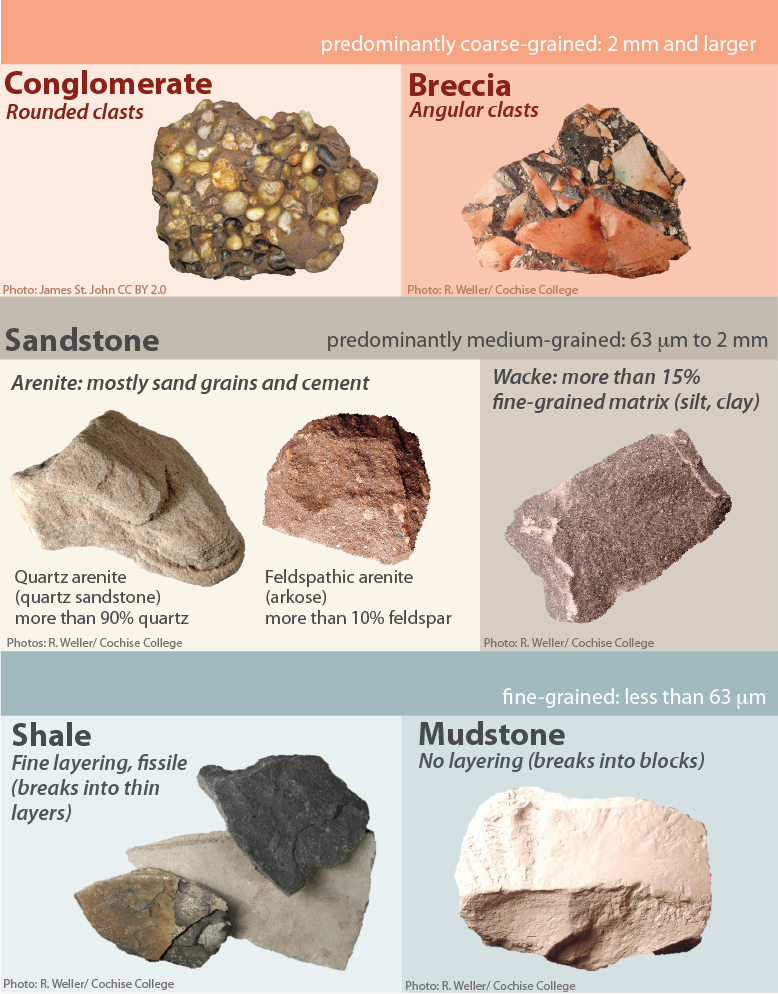
9 1 Clastic Sedimentary Rocks Physical Geology First University Of Saskatchewan Edition
Depending on their composition sedimentary rocks may be further divided into siliciclastic mostly containing silicate minerals rocks carbonate mostly containing carbonate minerals rocks evaporite rocks formed due to evaporite minerals like carbonates and chlorides organic-rich rocks contains more than 3 total organic carbon.

. Common sedimentary rocks include sandstone limestone and shale. It usually forms in clear calm warm shallow marine waters. Sedimentary rocks are less susceptible to____than igneous and metamorphic rocks.
In general geologists have attempted to classify sedimentary rocks on a natural basis but some schemes have genetic implications ieknowledge of origin of a particular rock type is assumed and many classifications reflect the philosophy training and experience of those who propound them. The carbonate rocks make up 10 to 15 of sedimentary rocks. Plant roots in the soil serve 2 functions.
Because carbonate minerals in general are soluble in slightly acidic waters they often have. Conglomerates are composed of sandstones with pebbles. Siltstones are composed of silt-sized grains.
Siliciclastic sedimentary rocks sedimentary rocks composed mainly of silicate particles derived by the weathering breakdown of older rocks into clasts. These include most sandstones mud rocks conglomerates and breccias. For siliclastic rocks grain size defines the major rock groups.
Various types of clasts are shown in Figure 512 and in Exercise 53. Most of these rocks are limestones and cherts. Dolostones which are composed mostly of dolomite CaMgCO 3 2.
_____ isare commonly used to describe siliclastic sedimentsrocks-grain-size-grain-shape-grain-sorting-all of these. These rocks often start as sediments carried in rivers and deposited in lakes and oceans. Siliciateclasts Comprise three-forth of all sedimentary rocks in the geologic record Present in rock successions from Precambrian to Holocene hence provides information about Earths history.
Siliclastic sedimentary rocks form by the accumulation of mostly silicate mineral fragments. There are three general types of sediments. Siliciclastics are further subdivided on the basis of clast diameter into conglomerate and breccia sandstone siltstone and finer-than-silt-sized mudrock shale claystone and mudstone.
Chemical sedimentary rocks can be found in many places from the ocean to deserts to caves. Sedimentary rocks often have distinctive layering or bedding. Help decompose detritus and form clays through chemical erosion and the bind the soil impeding erosion.
What factors affect the final sediment composition mineralogy. Many of the picturesque views of the desert southwest show mesas and arches made of layered sedimentary rock. Grain size grain shape and grain sorting.
_________are commonly used to describe siliclastic sedimentsrocks. Clastic also known as siliciclastic chemical and biochemical. As wind water ice or other agents interact with pre-existing rocks the rocks gradually break apart into smaller rock fragments and mineral grains.
Mudstones are fine-grained silt- to clay-sized grains unlaminated rocks including siltstones and claystones. 61 Clastic Sedimentary Rocks A clast is a fragment of rock or mineral ranging in size from less than a micron 1 too small to see to as big as an apartment block. Composition The composition of siliciclastic sedimentary rocks includes the chemical and mineralogical components of the framework as well as the cementing material that make up these rocks.
Biochemical sedimentary rocks consist of fragments of particles produced by precipitation from once living organisms. There are about ____ rock forming minerals that are essential to interpreting Earth history. Clastic sediments are produced via a process called weathering.
The common Missourian-age cyclothem of Kansas and the midcontinent Moore 1936 is a variant that was deposited on a shelf receiving low to moderate amounts of siliciclastic sediment containing more mud than sand and having low to moderate rates of deposition which allowed the generation and concurrent deposition of moderate to large amounts. Coccoliths are a common type of marine organism found in limestone 41. SILICICLASTIC is a compound word comprised of silica referring to the element and clastic meaning composed of fragment.
Sandstones are composed of sand-sized grains. Quartz is not a common constituent of carbonate sedimentary rocks 43. They largely consist of two types of rocks.
Limestones which are composed mostly of calcite CaCO 3 or high Mg calcite CaMgCO 3 and. Which of the following minerals is NOT commonly found within sedimentary rocks that are formed from evaporite minerals. The smaller ones tend to be composed of a single mineral crystal and the larger ones are typically composed of pieces of rock.
The four types of rocks produced by siliclastic sediments are. Siliciclastic rocks are clastic noncarbonate rocks that are composed almost exclusively of silicon either as forms of quartz or as silicates. The common names of clastic sedimentary rocksconglomerate sandstone siltstone and shaleare based solely on grain size.
No scheme has found universal acceptance and discussion here will centre on some. One of the best-known clastic sedimentary rocks is sandstone. Siliclastic rocks are called siliclastic because most of the rocks are rich in quartz grains that contain silica.
Sandstone is formed from layers of sandy sediment that is compacted and lithified. However there are more precise names within these broader categories that are based on clastic sediment features other than grain size. It is the name of a group of sedimentary rocks comprised primarily fragments of silicate minerals such as.
Atoms are the basic building blocks of minerals. Characteristic properties of shale is breaks along thin laminae or parallel layering or bedding called fissility. The carbonates limestones and dolomites consist of the minerals aragonite calcite and.
A grain-size B grain-shape and C grain-sorting are commonly used to describe siliclastic sedimentsrocks 42. Classification systemsare also referred to as siliciclastic sedimentary rocks. Shale is a laminated or fissile clastic sedimentary rock that composed of predominance of silt and clay other minerals especially quartz and calcite.
These rocks are often called clastic sedimentary rocks. Limestone is a sedimentary rock composed primarily of calcite a calcium carbonate mineral with a chemical composition of CaCO 3. Mudstone Why are siliclastic rocks called siliclastic.
Siliclastic Sedimentary Rock Mineral Information Data And Localities
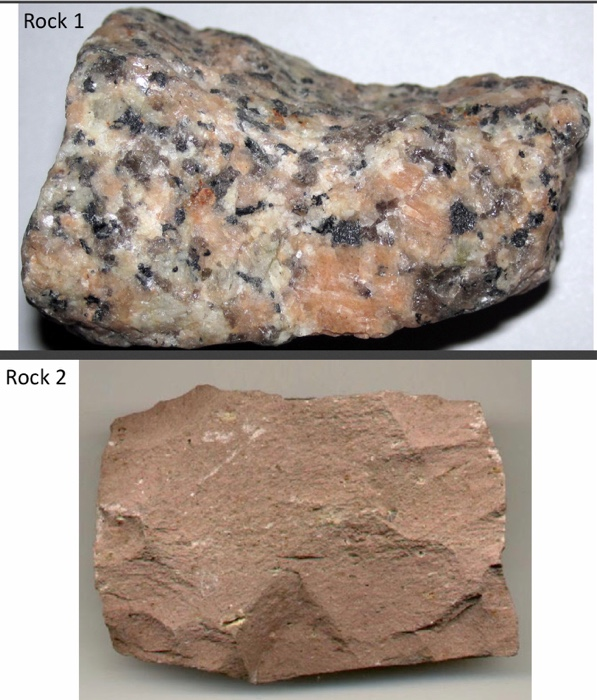
Solved In Siliciclastic Rocks We Use Grain Size In Order To Chegg Com

Siliciclastic Rocks Geology Is The Way


Comments
Post a Comment